5 Minutes With… Freedom Leisure
30 June 2025 — jessica-bailey
We spoke with Freedom Leisure to learn more about the services they provide local residents at their centres across England and Wales, how they strive to “improve lives through leisure” and the tailored support they offer people living with, and beyond, cancer.

Tell us about your organisation?
Freedom Leisure is a not-for-profit charitable trust, established in 2002. We currently manage 125 leisure, cultural, and entertainment facilities across England and Wales, including locations in Kent, Somerset, Sussex, and Surrey. Our mission is to “improve lives through leisure,” offering a broad range of on-site and community-based activities such as gym sessions, indoor sports, group exercise classes, swimming, athletics, and health and wellbeing programmes.
In addition to our general offerings, we provide a dedicated “Healthy Communities” programme, designed to support individuals with long-term health conditions, those with additional needs, and families with limited financial means—ensuring that leisure opportunities are accessible to those who need them most.
What services do you offer for people living with cancer?
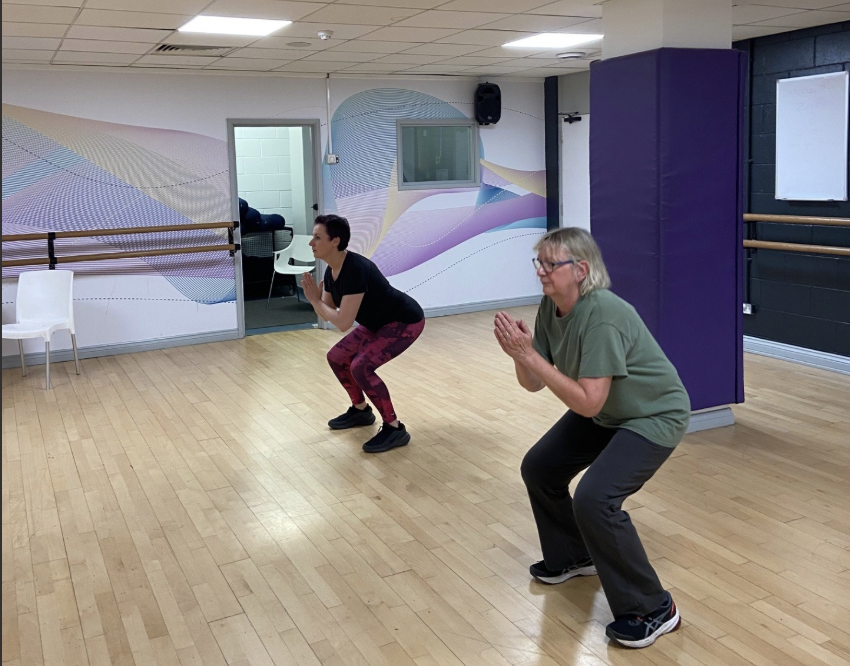
We offer a dedicated Cancer Rehabilitation Class for individuals aged 18+, diagnosed with cancer. This session is held weekly on Tuesday afternoons and is delivered by a fully qualified cancer rehab instructor. Participants are typically referred by their cancer nurse and may join the class for a sessional fee without committing to a monthly membership.
The session includes a combination of cardiovascular, strength, and flexibility exercises that are tailored to suit all fitness levels and abilities. In addition, we provide a GP Referral Programme, through which individuals can be referred to an instructor and access three months of reduced-rate membership. During this period, participants receive a personalised exercise plan and regular support sessions to ensure their needs are met and progress is encouraged.
Do you have a target demographic for your services?
Our programmes are designed to be inclusive and cater to all age groups. This includes, Elderly, Young People, people with long term health conditions, people with SEN and people from ethnic backgrounds. We provide activities for everyone—from toddler splash sessions and ice skating lessons for children, to racket sports, lane swimming, and gym access for adults. We also offer gentle exercise classes such as yoga and “Back to Basics” for older adults. Our facilities are accessed by individuals ranging in age from infancy to over 90 years old.
How are you funded?
Freedom Leisure operates as a not-for-profit charitable leisure and cultural trust. Our primary source of income is through membership fees from local residents. Additionally, many of our community outreach programmes are supported by external funding and grants, which vary in scope and size depending on the target audience and project objectives.
Has anything changed for your organisation since the pandemic?
Yes, the landscape has changed significantly. The cost-of-living crisis and rising energy prices have reduced disposable income for many families, affecting their ability to engage in leisure activities. Additionally, the rise of digital fitness platforms during the pandemic has impacted in-person attendance. As a result, our community outreach work has become more vital than ever, particularly in reaching those who require additional support and encouragement to participate in physical activity.
What’s the most rewarding aspect of your work?
The most fulfilling part of our work is seeing the positive impact we have on individuals’ lives. Whether it’s someone overcoming isolation by joining a social fitness class and forming lasting friendships, or an individual with a long-term health condition who never imagined returning to a leisure centre but finds confidence and support through our tailored programmes—these are the outcomes that make our work truly meaningful.
What would you say to someone who is considering reaching out but feels nervous or unsure?
It’s completely normal to feel hesitant—but you’re not alone in that feeling. Once you take the first step, you’ll find a welcoming, supportive environment. Our team is friendly, knowledgeable, and committed to helping you get started in a way that suits your needs and comfort level. We’re here to support you every step of the way.
Who works for your organisation?
Our team is made up of individuals aged 18 to 73 from diverse backgrounds. We proudly employ and support team members with additional needs, as well as offer volunteering and work experience opportunities to promote inclusivity and community engagement.
What are the core values of your organisation?
At Freedom Leisure, our core values include:
- Care for the Customer
- Communicate Effectively
- Continually Improve
- Take Responsibility
These principles guide our daily operations and our commitment to delivering high-quality, community-focused services.
Finally, can you describe your organisation in three words?
Active. Inclusive. Community.
You can read more about the work of Freedom Leisure, locate a centre near you and find membership options by visiting their website at www.freedom-leisure.co.uk. If you’d like to discover other leisure services and cancer support in your area, please search on Cancer Care Map’s homepage using your postcode. It is always advisable to consult your cancer team or GP before making any lifestyle changes. Some exercise programmes may not be suitable alongside certain cancer treatments.
Latest Articles
See all Articles
16 September 2026 — Lia Rogers
Cancer Support Services in Harrogate | SpotlightThere are over 6,000 local and national support services listed across the UK on Cancer Care Map. Today we’re spotlighting some of the cancer support services available in and around Harrogate. The Dodgy Walnut – Support group for younger men and their partners who are living with, or affected by, prostate cancer. Although […]

27 August 2026 — Lia Rogers
Guest Blog | The Pixel Nurse – Restoring Confidence After Cancer Through Specialist TattooingIn today’s blog, we hear from Laura Jane Powell about her journey through nursing and oncology plastics, to medical tattooing. The Pixel Nurse began in a small, uninspiring hospital room at The Royal Marsden. After completing a foundation year in art, I decided that a traditional career in art wasn’t for me and chose […]