Nail Damage During Cancer Treatment: Why It Happens and What You Can Do | Guest Blog by Polybalm®
11 August 2025 — jessica-bailey
This week’s guest blog takes a look at why nail damage can happen during cancer treatment, what it can feel like, why nails are more important than we might realise, and what you can do to help improve your nail health. This article was put together by Jonathan Slobom at Polybalm® – a natural nail balm product which helps to reduce and prevent nail damage caused by chemotherapy, immunotherapy and targeted cancer treatment. Jonathan explains more below.

“When you’re preparing for cancer treatment, you might expect side effects like hair loss or tiredness. But one common issue often catches people off guard — nail damage.
Just like hair, your nails can be affected by chemotherapy and other cancer therapies. In fact, up to 90% of patients may experience changes to their fingernails or toenails — but it’s rarely mentioned until it becomes a problem and even then advice on what to do is lacking.
Why Do We Need Nails?
Nails aren’t just for appearance — they serve several important functions that we often take for granted:
Protection
They shield the sensitive tips of your fingers and toes from injury.
Dexterity and Grip
Nails provide counter-pressure to your fingertip pads, helping with:
· Pinching
· Grasping
· Scratching
· Using tools or buttons
They also support fine motor skills and — in the case of toenails — help with balance when walking.
Wellbeing and Confidence
Healthy nails reflect a person’s overall health. Many people feel more confident when their nails look normal — and feel self-conscious when they don’t.
Nails are easy to overlook — until they become painful, damaged, or visibly changed.
What Does Nail Damage Look Like?
Nail changes during cancer therapy vary from person to person and depend on the type of treatment. Common symptoms include:
· Nails becoming brittle, dry, or crumbly
· Discolouration (yellow, brown, black, or white patches)
· Ridges or indentations
· Nails lifting from the nail bed
· PAIN AND inflammation
· Fungal or bacterial infections
These problems can affect both fingernails and toenails — sometimes all 20.
How Nail Damage Affects Daily Life
While nail damage might sound minor, it can have a real impact. You may find it difficult or painful to:
· Button clothes
· Type or use a phone
· Walk comfortably
· Hold utensils or brush your teeth
· Sleep, due to nails catching on bedsheets
Some patients also feel shocked or anxious when their nails start changing, particularly if they weren’t warned in advance or are unsure how manage it. Unlike hair loss, which requires a mirror to notice, damaged nails are constantly visible — a constant reminder of your cancer.
Why Does It Happen?
Chemotherapy and some targeted cancer treatments work by attacking rapidly dividing cells — including those in the nail matrix, the area beneath your cuticles where new nail is formed.
This means your nails can become weakened, grow unevenly, or be more vulnerable to infection.
Some cancer drugs are more likely to cause nail damage than others — for example, taxanes (like paclitaxel and docetaxel) and anthracyclines are known to be particularly harsh on the nails. It’s not just chemotherapies though that can cause the damage – targeted therapies, immunotherapies and hormonal therapies can also affect your nails
What Can I Do to Help Protect My Nails?
You don’t have to wait and see what happens — there are simple steps you can take to reduce damage and discomfort.
Be gentle with your nails
· Keep nails trimmed and clean
· Avoid nail varnish
· Avoid manicures or pedicures
· Wear gloves for gardening or washing dishes
Moisturise regularly
Hydrated nails are stronger and more flexible. Use a clinically proven natural nail balm, especially around the skin above the cuticles, sides of the nails and the nails itself.
What Is Polybalm®?
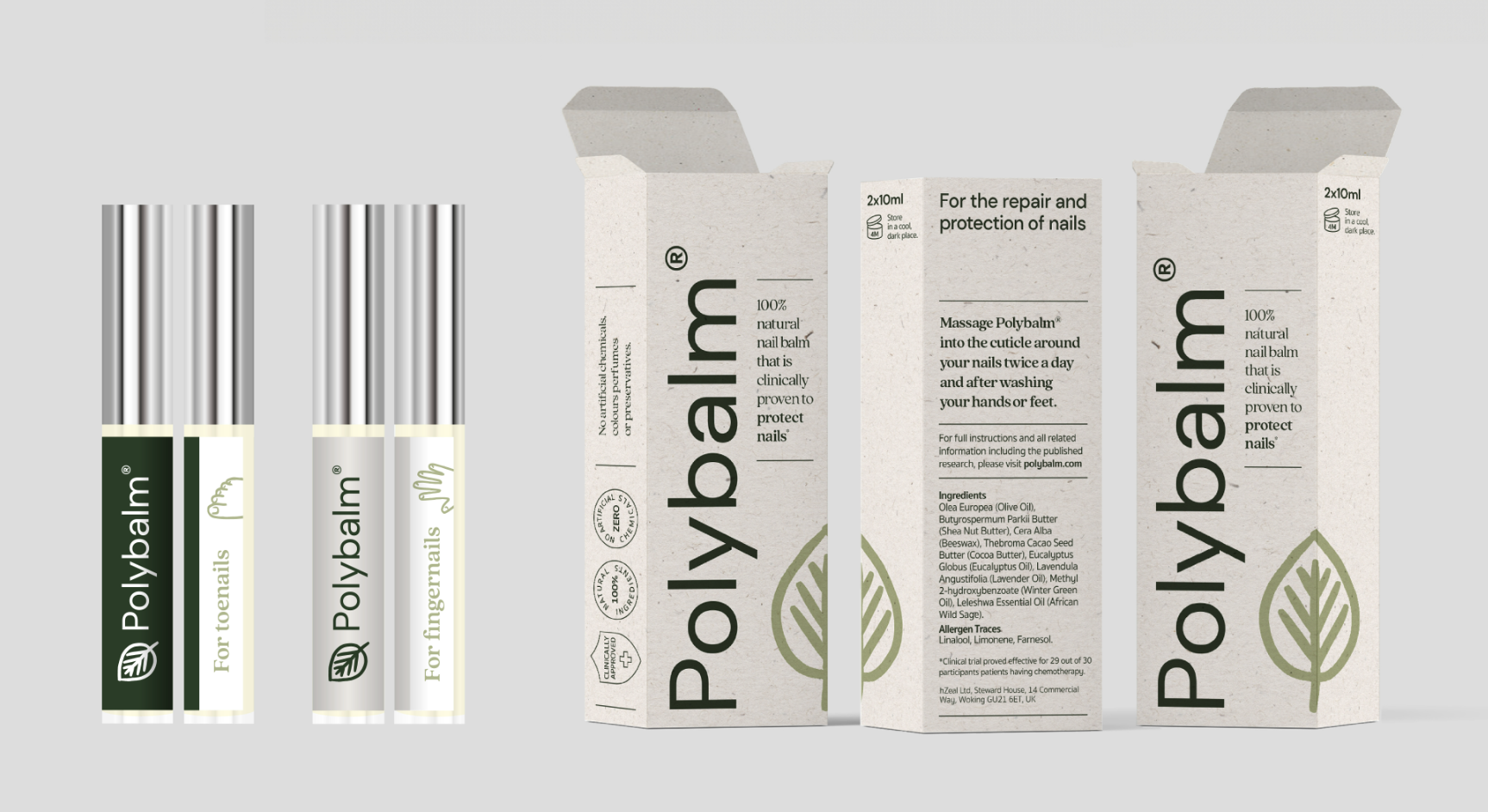
Polybalm® is a 100% natural nail balm developed specifically for people going through cancer therapy.
It was created by Professor Rob Thomas, a consultant oncologist at Bedford and Addenbrooke’s NHS Hospitals. He became frustrated that he couldn’t confidently recommend anything to patients with nail damage or to protect their nails during therapy— and concerned that some of the products people were using could actually make things worse.
Polybalm® is designed to help protect and support nail health during chemotherapy and is the only nail balm supported by a published randomised clinical trial involving cancer patients.
That trial showed that patients using Polybalm® experienced significantly less nail damage than those who didn’t. Its ingredients have anti-inflammatory, antimicrobial, antioxidant and moisturising properties — helping to create the ideal environment for healthy nail growth, even during active treatment.
Key benefits:
· Helps reduce discomfort and inflammation
· Supports nail strength and healthy growth
· Reduces pain
· Easy to apply — onto fingernails and toenails (and the surrounding skin) twice daily. Reapply after a bath or shower.
Many people begin using Polybalm® at the start of treatment to prevent damage, but even if you’re already noticing changes, it’s not too late to start.
Final Thoughts: It’s Okay to Speak Up About Nail Health
If you notice changes in your nails during treatment — say something.
Nail damage isn’t just cosmetic. It’s a quality-of-life issue, and you deserve support. Talk to your oncology nurse, doctor, or pharmacist. Let them know what you’re experiencing and ask what they recommend.
Taking care of your nails might seem like a small thing, but it can help you feel more comfortable, more in control, and more like yourself — at a time when that really matters.
Want to Learn More?
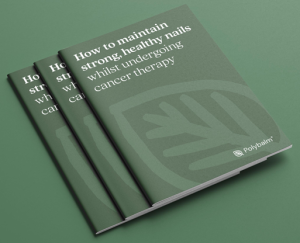
We’ve created a free Guide to Nails During Cancer Therapy, packed with practical ideas and evidence-based advice.” Download it at: www.polybalm.com.
We also offer the first ever CPD accredited training course on Managing Nail Damage During Cancer Therapy for health professionals to use. The comprehensive course takes 60 mins. Its eight modules address nail toxicities associated with chemotherapy, targeted therapy, immunotherapy, and hormonal therapy. It explores nail toxicity mechanisms, functional and emotional impacts, and the crucial role of early education and intervention. To successfully complete the course, participants must achieve 80% or more on each module assessment, earning a certificate for their professional development portfolio. You can access it here.
You can discover a range of other products designed to help with the symptoms of cancer treatment, as well as access to over 6,000 cancer support services, at the Cancer Care Map homepage.
Latest Articles
See all Articles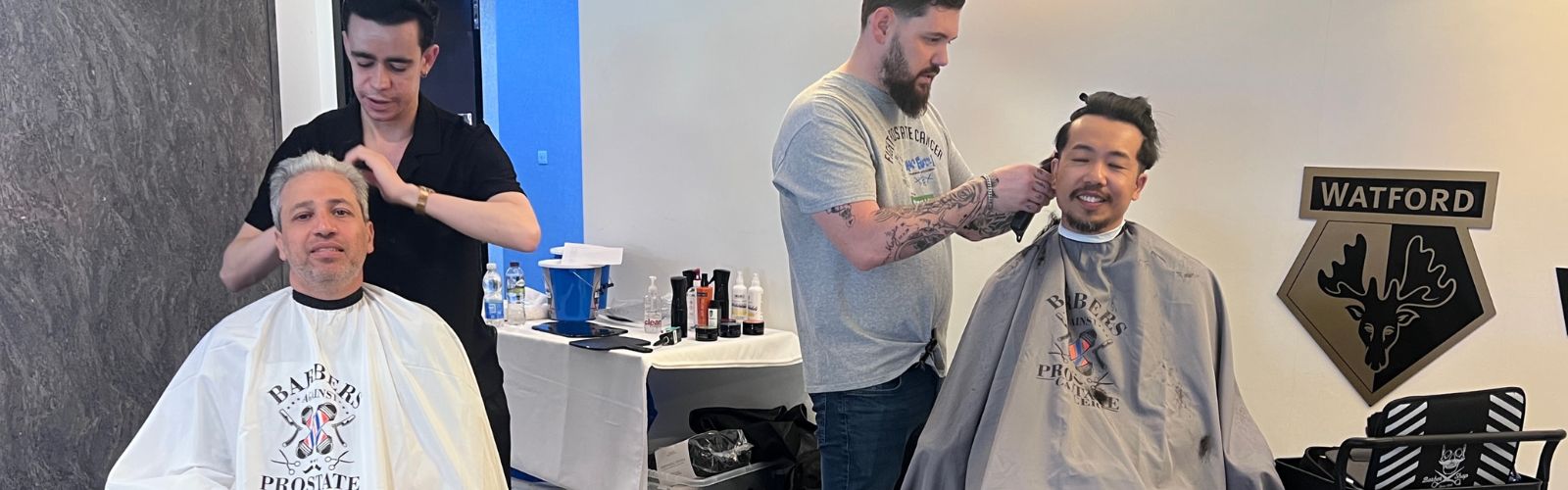
10 March 2026 — Jessica Bailey
Guest Blog | Mark Rayment | Barbers Against Prostate CancerAs part of Prostate Cancer Awareness Month, we spoke with Mark Rayment about his national pop-up barbershop initiative, using non-clinical settings to raise awareness of prostate cancer and spark conversations with men across the UK. From the Barbershop Chair to Parliament: Why Barbers Against Prostate Cancer Exists A lot of my working life […]
03 March 2026 — Lia Rogers
5 Minutes with The Cancer Mum CheerleaderWe spoke to Sharon Goodway about her work as The Cancer Mum Cheerleader, her own cancer journey, and how she supports women through diagnosis, treatment and beyond. Tell us about your organisation? I was diagnosed with Non Hodgkins Lymphoma (which is a blood cancer) in March 2021, this was found in my eye […]